I am going to Texas this Summer. If any Austin area friends are reading this please message me if you are okay with me sleeping on your sofa for a couple of days in the Summer. I am homesick for Texas, and teachers have Summers off.
Podcast Updates For FH7 Publishing
I am going to Texas this Summer. If any Austin area friends are reading this please message me if you are okay with me sleeping on your sofa for a couple of days in the Summer. I am homesick for Texas, and teachers have Summers off.
By Andrea Menzies
In the world of high technology everything old is new again. The newest Insignia Fire TV has one heck of a TV antenna in it, and a great channel search for broadcast TV. As people flee cable TV in masses due to streaming services being better people are switching back to the airwaves for local news. Newer televisions now flaunt an antenna. Everyone at my house now has a Fire TV with an antenna put on it.
“They doubled my cable bill.” Said Anne Brockett before shutting off the cable. I agree it has been ridiculous for a while.

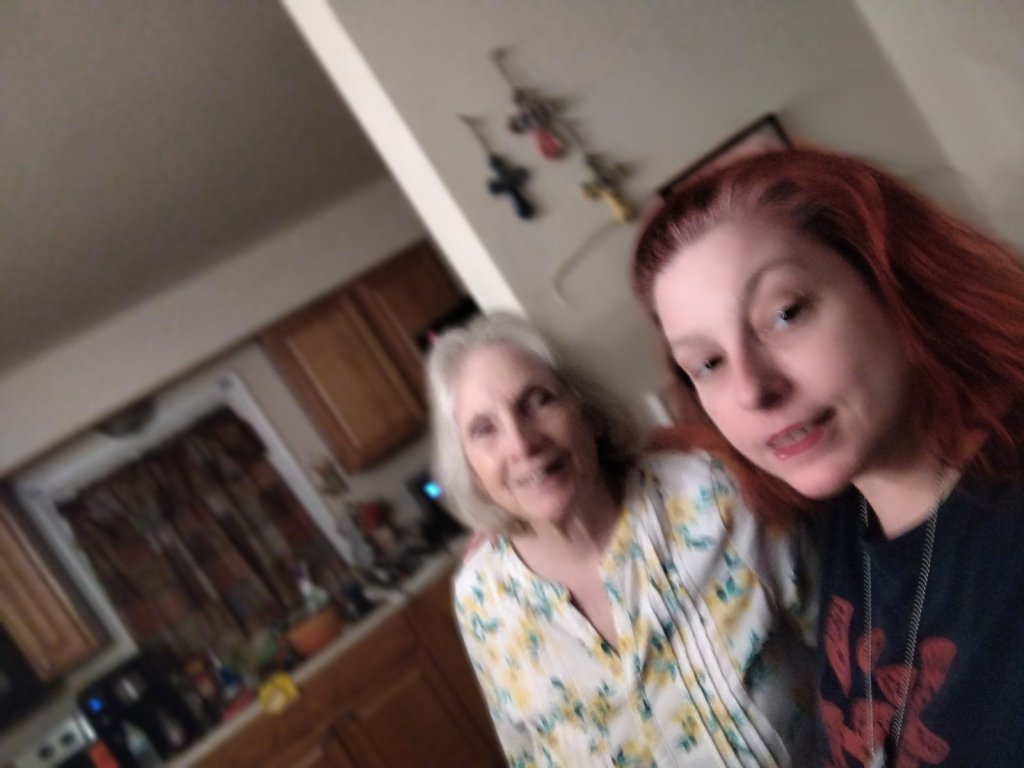
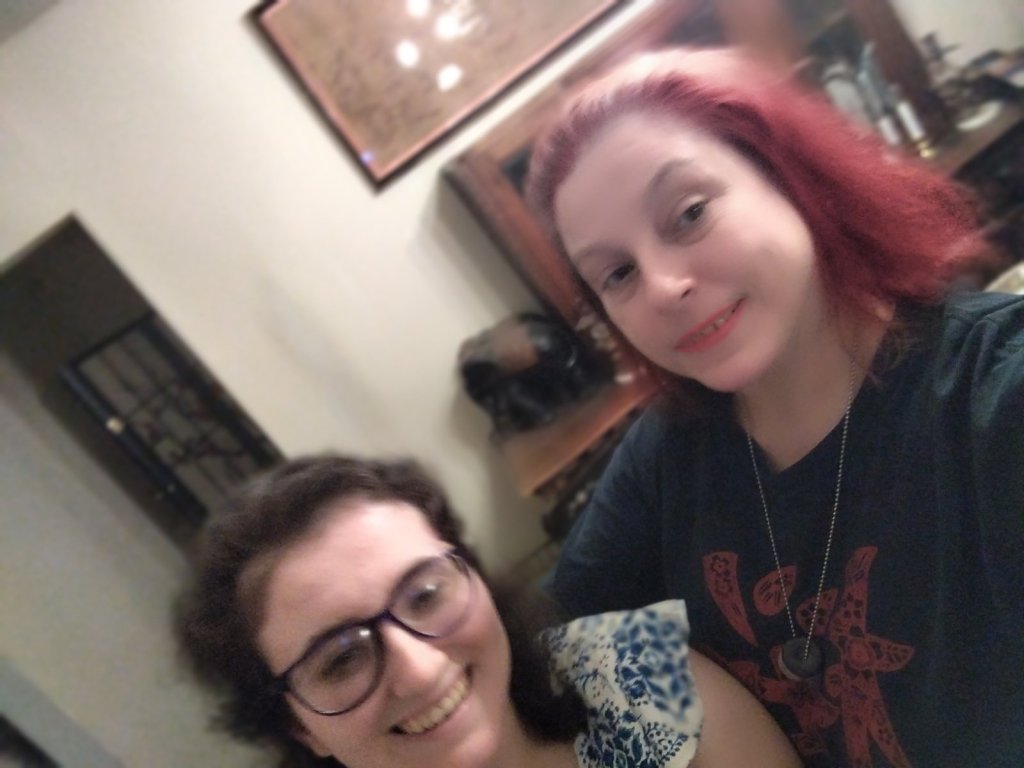
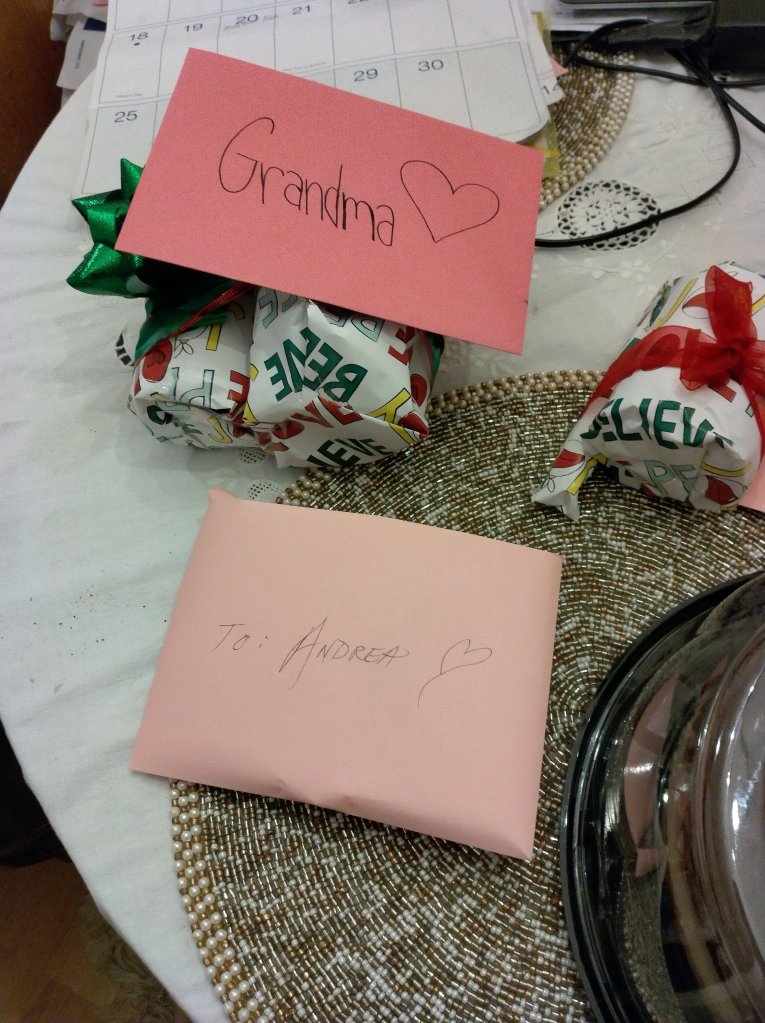
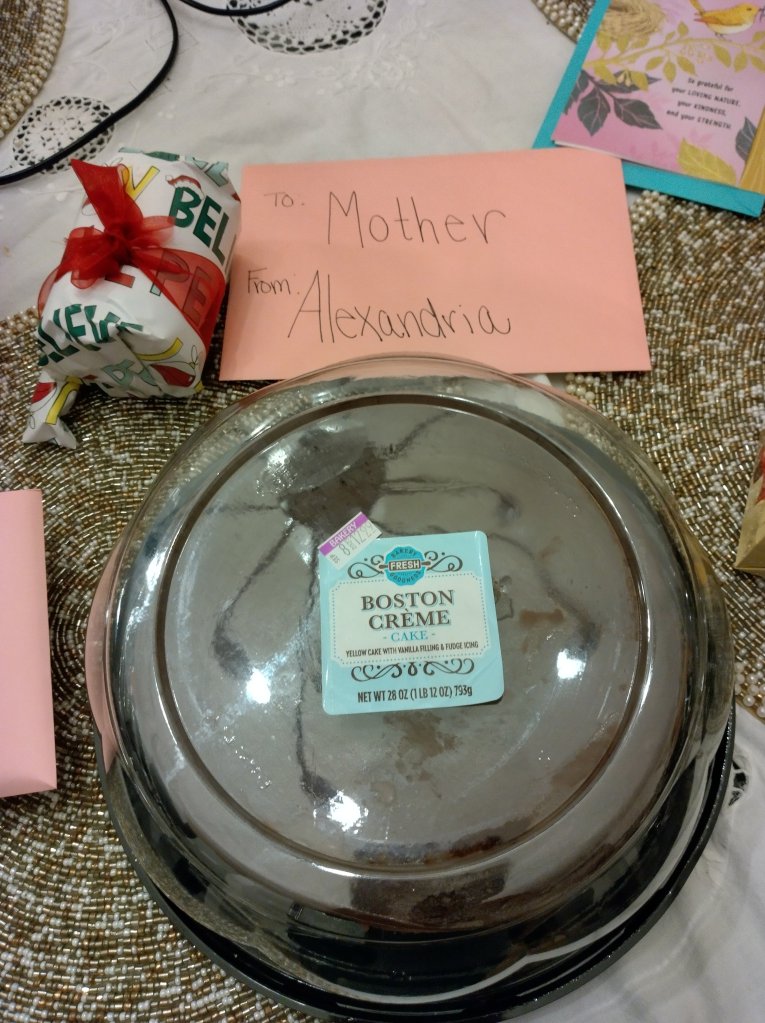
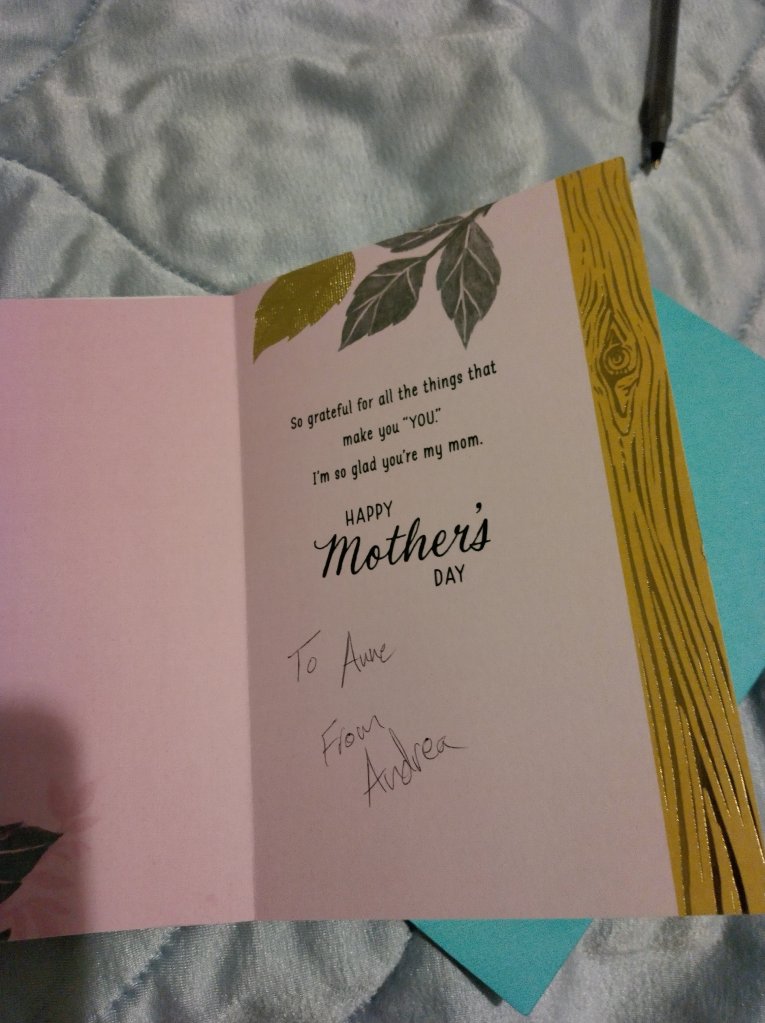
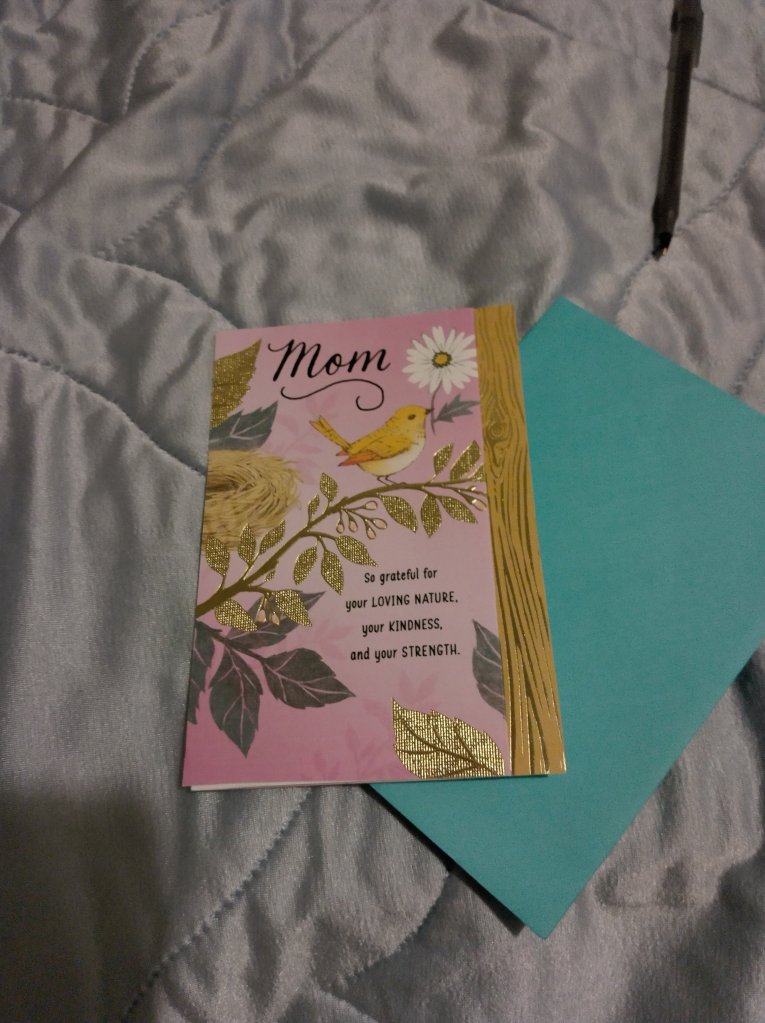
My mom Anne, my daughter Alexandria, and I all had a mother’s day party for the weekend. Here are the best photos.

Wisdom of the Week. Example 2 of how the poor get called crazy and the rich get called eccentric is Prince Charles. Life is about perspective, and anything can be made to look bad.

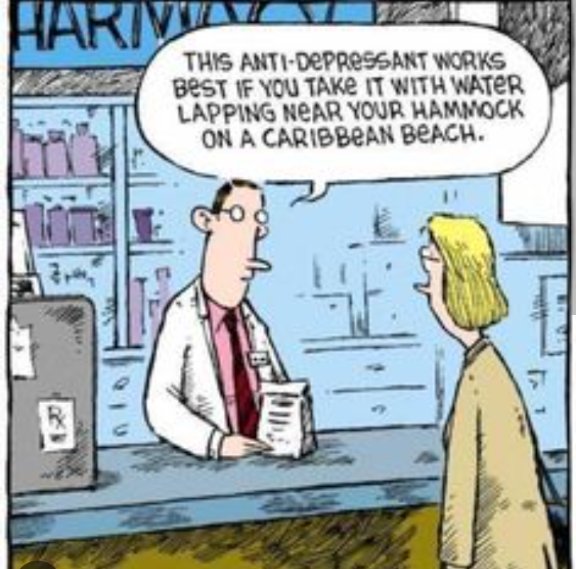
I would like to point out I am on NO antidepressants, and have not taken any in years. My life has always been better without antidepressants, and it was human sewage that tried to convince me I needed them. Sometimes outrage or sadness is the APPROPRIATE response in that it makes you want to escape abusive situations. If you are in a horrible situation and abusers are trying to make you take so many drugs that you don’t notice the abuse it may be the abusive people and NOT you that is the issue. It may be that your life and surroundings needing some change is the real problem. Just as doctors over prescribed opioids at dangerous extremes they are doing the same with antidepressants now.
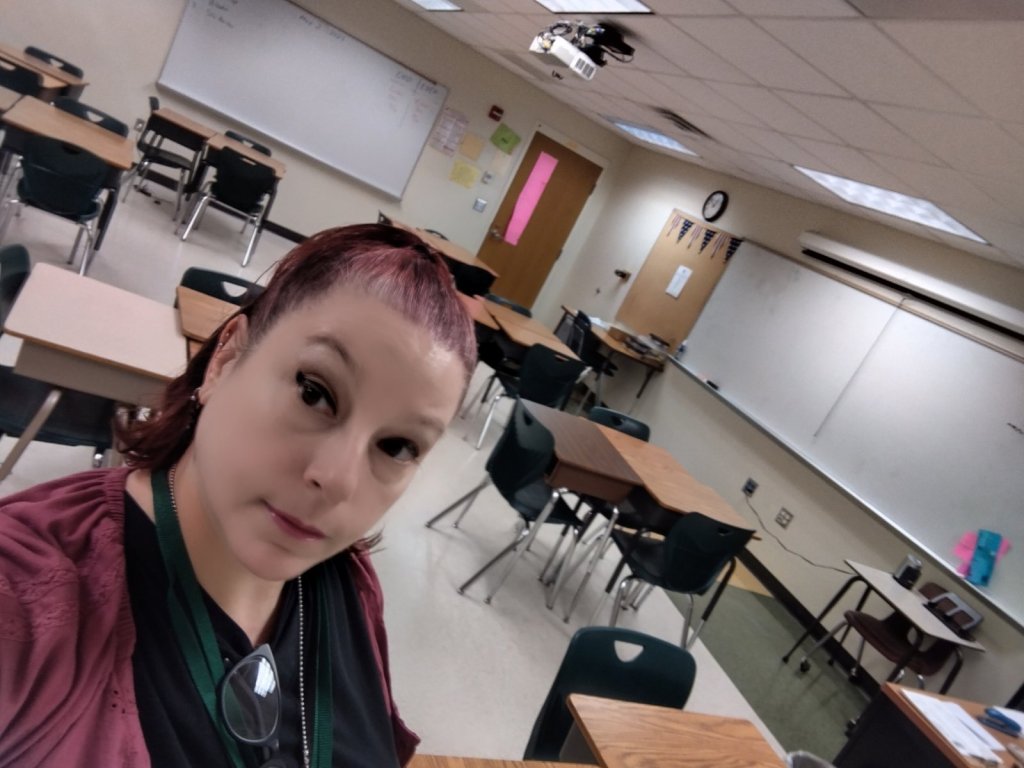
I am still employed as a teacher. Here are some of the top posters of the week of the school rooms I worked at in Chesterfield.
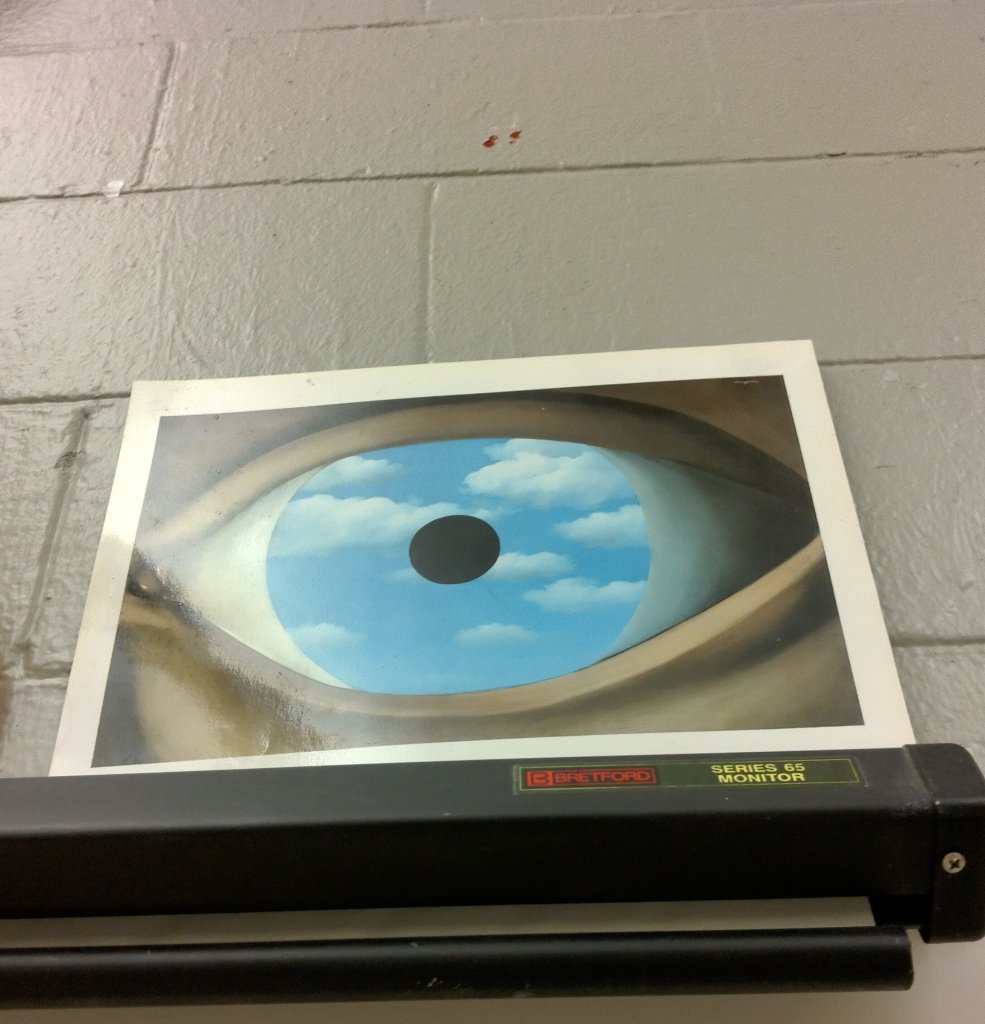

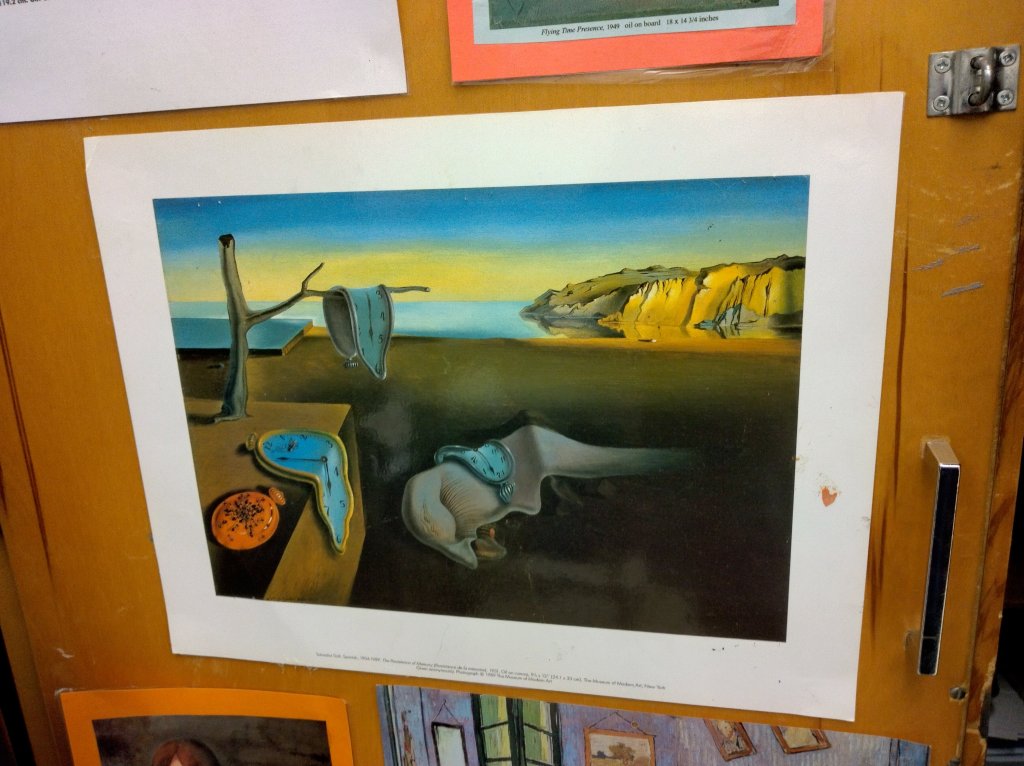
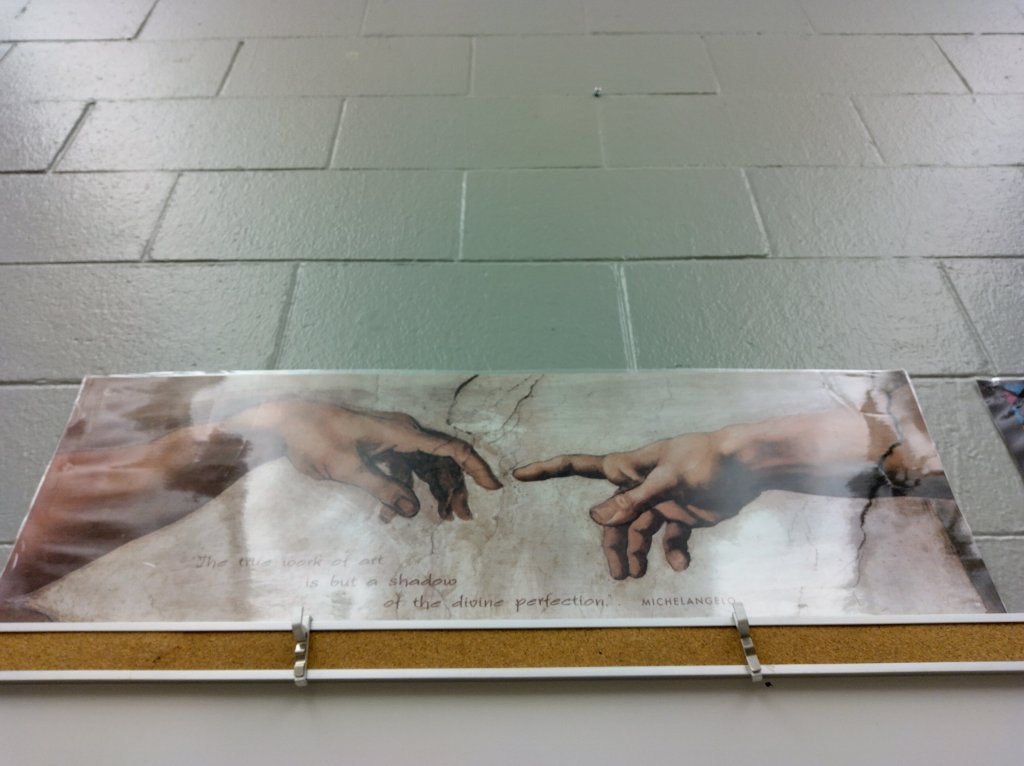
Wisdom of the week. Plenty of people have had wild days in life that money covered up, but it is the working class that gets shamed, blamed, and evaluated with a microscope if they have a bad moment. Howard Hughes had some wild days, but servants covered for everything.


https://www.podbean.com/media/share/pb-va39r-13fb72a
http//www.FH7publishing.com/ WordPress blog links.
Episode 7 Season 6 – Artemis Fowl Book 1
By Andrea Menzies
This book is rated G for general audiences.
FH7 Book Reviews has doing book reviews in podcasts and blogs for years now. The focus tends to be on a comparison between books, and movies or other mediums like video games or music. It is amazing how much stories are changed when made into movies. Artemis Fowl is a story like that because the Disney movie changes many plot points of the books. Both have good points as we see in the review. Tune into the comment links and give the podcast a listen.
This book is rated G for readers of this restriction and is safe for under age readers. Special note, many of the entries on this blog are rated R and are NOT for listeners of all ages.
J.K. Rowling ruled the fiction world for so long. Who will be the next Fiction book best seller of fame? Many think the Artemis Fowl series is a good contender.
Fowl is a wealthy genius boy in both book and movie versions of the story. However he is a much more troubled youth in the books as a first plot change. The movie plays up the angle that he is a wealthy super spy. He is sort of a child like James Bond hero. In the books he is a far more troubled youth with a missing dad, absent mom, and had only a body guard for company. The book series starts with him in therapy tricking his therapist. All the books show him as an anti-hero and NOT a super spy. The reasoning behind this choice was obvious: baby James Bond is easier to put on movie posters compared to a troubled youth.
A second plot change happens as Artemis Fowl discovers the magic realm. This book follows the ancient fiction recipe popular in Superman and continued into Harry Potter in the secret identity. The hero has a Clark Kent vs. Superman secret identity form as he discovers magic is real and he is part of it. Readers discover an alien Universe. Much like in the Harry Potter magic world normal “muggle” people don’t know magic is real Fowl finds an Underground magic world hiding itself from the non-magic people. The magic world hides itself from mortals to protect itself. There is magic, but there is also super science being hidden in addition to magic. The fairy people turn out to be aliens from another plant with much more high tech in comparison to humans, and this is being mistaken for magic in the books. Fairies, dwarfs, and other magic folk turn out to be aliens from another world, and their high tech is so much more advanced compared to human science that it has been mistaken for magic for years.
The next plot point is that Fowl’s father has gone missing, and his son Artemis suspects the mafia is to blame. In decoding hidden messages from dark web chat rooms he discovers something that is strange. There is more Underground beyond crime. He discovers magic users are real, live underground, and have a lot of gold. He decides to “borrow” gold from their world with tricks, He is sure massive money will help him find his father.
He kidnaps a fairy named Captain Holly of the LEPrecon Unit when she is careless. Humans have tried this before, but Fowl gets amazingly far with tricks and gimmicks before the magic Underground takes back its gold. They try to destroy his memories of the magic world, but he is so tricky they fail. In addition they feel sorry for Fowl as his sad story sways them to help him.
The Underground must have some contacts in the normal human world to survive, and they decide to let him be a tiny ally on their projects in exchange for his help. He fails on his gold quest, but in friendship he earns a far greater reward.
The fairies have healing powers. They heal Fowl’s ally Butler. They give Artemis a wish, and he uses it to heal his mother. They find they have common enemies, and agree to help.
The fairy and LEPrecon help is not as generous as it seems. Dark fairies and Goblins are using the resources of the mafia in the human world to finance an underground war. They need the Fowl family to help them defeat a Goblin uprising to capture the Underground world. In a massive plot coincidence the same human mafia that has kidnapped Artemis’s father is helping the Goblins. After many battles they get the father back, and he returns home.
The books are far better in comparison to the movie. The movie left it sort of unclear how Artemis found out about Captain Holly to kidnap her. The powers and the background of the dwarf Mulch were completely confusing in movie format. Holly, Mulch, and the Underground world make far more sense in the slower more detailed book plot development. If you loved the wild adventure of the Harry Potter book kingdom this series is a door runner up for the fiction world crown.
Now onto reader e-mail questions….
“Is the movie available on Netflix for Disney + streaming?” I only found it on Disney streaming service.
“How many books are in the movie series?” The first 3 books are covered in the movie as Artemis does not get his father back until “The Eternity Code” book. This is 3 books into the series. However the book has far more plot the movie skips.
That is it for this week’s book review. Tune in next week for book recommendations.
https://www.podbean.com/media/share/pb-5rbq9-13e7d92
Full review at http://WordPress.frozenhistory7publishing.com/
Episode 6 Season 6 – The Black Labyrinth
Book Review for Tuesday May 9th 2023
By Author Andrea Menzies
Welcome to FH7publishing.com Book reviews at WordPress.com This week’s review looks at the artist Aurelio Voltaire’s graphic novel books, and his new album “The Black Labyrinth” fully titled “The Black Labyrinth a Requiem for the Goblin King” a tribute to David Bowie. I even got an exclusive interview with Aurelio Voltaire. So please join us tonight at the links in the podcast comments.
This book review is rated R for the audiences of that ratings restrictions, and is not for people underage.
I tend to do reviews on this podcast and blog on the comparison and contrast of books and other artworks like movies, games, and music. This is true of this week’s creation a music album that began life as a book and movie. Aurelio Voltaire is a musician, but he first came to my attention as a comic book author and writer. He wrote the series “Chi Chan”, and also the graphic novel I got signed “Oh My Goth! Version 2.0” as well as “Dead-y Bear the Dead Teddy Bear”. He also worked on many early MTV video shorts, and did a musical soundtrack for the Cartoon Network TV show called “The Grimm Adventures of Billy and Many” where he often did voice work as cartoon villains. These villains are dancing, mischievous, and dark until the hero shows them the error of their ways and they turn into heroes themselves. Voltaire in his latest album returns to roll of the cartoon hero-villain for his latest album “The Black Labyrinth” a musical story with the title song “The King of Villains” a tribute song to David Bowie who played the Goblin King of the “Labyrinth” Movie. Below is what he had to say when I got a chance to talk to him after the New Orleans show.
“There are even people working on this album that are former co-workers of David Bowie” He said with pride as he autographed my CD at the show.
“The basic overall idea behind ‘The King of Villains’ was that it would be a spiritual sequel to ‘When You’re Evil’ my older song. So naturally, I wanted it to have similar instrumentation (cello, violin, drums, acoustic guitar, etc.) a tango-like rhythm and celebratory lyrics about being evil like its predecessor. And of course, I wanted it to be sung from the perspective of a gloating, unapologetic villain.”
I am so glad I went to the New Orleans show as it was completely better in EVERY way compared to the horrible one I saw in Virginia. One of the reasons I have an RV is Virginia even manages to destroy live music shows by having horrible managers that do NOT let fans talk well to musicians at merchandise tables. Other towns do not do this action.
The tracks I head off the new album at the New Orleans show were amazing. I give a 5 star book review to his graphic novel, and a 5 star review of the new music album. I highly recommend buying them both. A word of warning however in that these books are only meant for viewers and listeners over age 18. He may have done cartoon work in the past, but not all of his work has a childlike vibe. The goblins on the cover are meant to only LOOK whimsical, and the art is R rated and mature.
Now onto the viewer questions part of the show! These are the email questions of the week.
“Where can I buy the books or album?” One listener asked. I got my books and music on his tours, but he also has a sales web page.
“Is the show The Grimm Adventures of Billy and Mandy still on the air?” No, but the DVD can still be bought on Amazon.
That is it for the week, and tune in next week for more reviews and recommendations.


